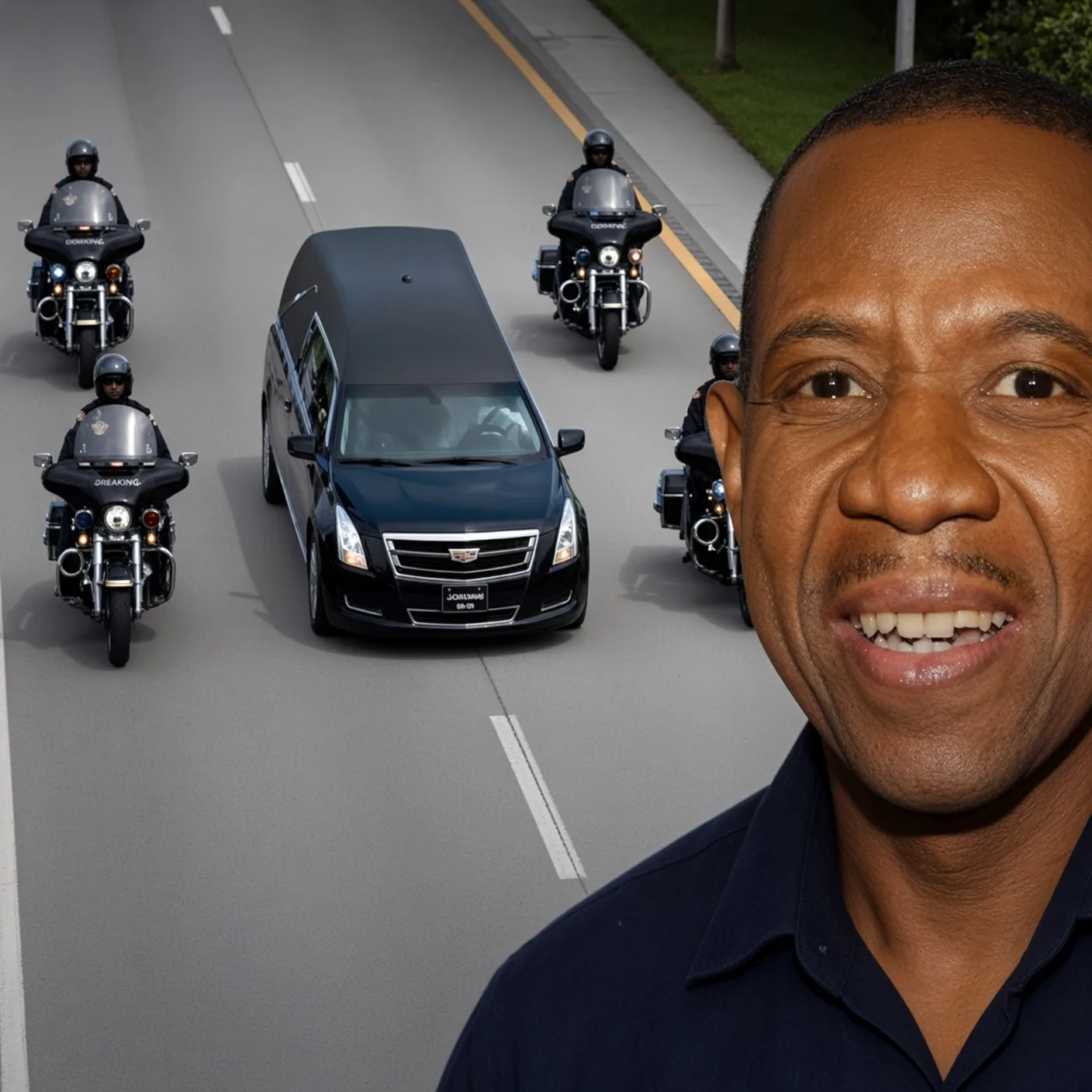
Freddie Jackson Funeral , Homegoingg Service , Burial And Final Goodbye Update
Freddie Jackson’s final goodbye has become a deeply emotional moment for R&B fans around the world, but as the news of his passing continues to sink in, one important question remains unanswered.
When and where will the legendary singer’s funeral, homegoing service, and burial take place?
For generations of listeners, Jackson was more than a singer with a remarkable voice.
His music became part of their love stories, their relationships, their celebrations, and the memories they carried through some of the most important moments of their lives.
Now, following confirmation of his death by his family, attention has turned toward the arrangements that will eventually provide an opportunity for loved ones, friends, and supporters to honor his life and extraordinary musical legacy.
The news is especially painful because Freddie Jackson spent decades giving people songs that seemed to understand emotions they could hardly explain themselves.
His smooth vocals, romantic lyrics, and unmistakable R&B sound helped define an era.
And even years after his biggest hits first reached audiences, those recordings continue to find new listeners.
For many people, hearing his name brings back memories of a particular relationship, a special evening, or a time when a single song seemed to say everything that needed to be said.
That is what makes the question of his final farewell so significant.
People are not simply waiting for information about a ceremony.
They are waiting for an opportunity to understand how a beloved voice will be honored after a lifetime of giving so much to music.
Jackson’s family confirmed the heartbreaking news in a statement shared through his official Instagram account on October 6th, 2026, reporting that he had died on October 5th.
The announcement came only days after his birthday, making the news particularly difficult for those who had recently been celebrating another year of his life and career.
His family remembered him as a generous and kind person who deeply loved his fans, relatives, friends, and music.
Their message also reflected the lasting importance of his songs, describing how his voice had become connected to countless personal memories, from romantic milestones to family celebrations.
It was a tribute to the person behind the performances as much as it was a recognition of the artist whose recordings had touched millions of listeners.
Yet the announcement did not provide every answer that fans were hoping to receive.
The cause of death was not disclosed in the initial family statement, and detailed information about the funeral and burial was not immediately available.
That left supporters with two different things to process.
The confirmed loss of an influential R&B singer, and the uncertainty surrounding the arrangements for his final farewell.
As people began remembering his music, questions naturally followed.
Will the homegoing service be open to the public, or will the family choose a private ceremony?
Will there be a larger memorial where fans can gather and celebrate his achievements?
Where will the service take place, and when will those details become available?
These are understandable questions, but they cannot be answered responsibly without an official announcement or reliable reporting that confirms the arrangements.
What is clear is that Jackson’s legacy gives people plenty of reasons to want to pay their respects.
Long before his name became familiar to R&B audiences across the country, he was developing the musical foundation that would eventually shape his career.
Born in New York City and raised in Harlem, he grew up with gospel music as an important influence.
Singing in church helped establish the vocal discipline and emotional expression that later became central to his performances.
His early musical journey eventually led him into the professional music scene, including his work with the band Mystic Merlin during the late 1970s.
Those early experiences helped prepare him for the breakthrough that would transform him into one of the defining voices of romantic R&B in the 1980s.
When Jackson signed with Capitol Records, he entered a period that would change the direction of his career.
His debut solo album, Rock Me Tonight, arrived in 1985 and became a major success.
The project helped establish him as a powerful presence on the R&B charts, while its title track became one of the songs most closely associated with his name.
The recording captured the combination of warmth, confidence, and emotional intensity that made his singing so recognizable.
It was not simply a song people heard once and forgot. For many listeners, it became part of the soundtrack to an entire period of their lives.
As the album gained attention, Jackson demonstrated that his appeal extended beyond one successful release.
His music connected with audiences who wanted songs that could express romance without losing the strength and sophistication of classic soul.
He had a way of delivering a lyric that made it feel personal, almost as though he were singing directly to one listener rather than performing for an entire room.
That connection helped turn his recordings into enduring favorites, and it explains why news of his death has reached far beyond the audience that originally discovered him during the 1980s.
One of his most beloved songs, “You Are My Lady,” became another defining moment in his career.
The track helped cement his reputation as a singer capable of turning a romantic ballad into something deeply memorable.
Its appeal was not limited to chart performance or radio play.
The song became meaningful to people because they attached their own experiences to it.
Couples heard it and remembered important moments together.
Fans associated it with relationships, anniversaries, and memories that remained powerful long after the original recording was released.
That personal connection is part of what makes the prospect of a final tribute so emotional.
A memorial for an artist like Jackson would represent more than the conclusion of a public career.
It would also bring together the memories of people who may never have met him, but nevertheless feel that his music accompanied them through their lives.
His success continued with songs including “Have You Ever Loved Somebody” and “Jam Tonight,” further strengthening his position in R&B.
His early albums achieved significant commercial success, and his work earned him two Grammy Award nominations in 1986.
He later received an American Music Award for “Nice ‘N’ Slow,” another recording that demonstrated his ability to connect with audiences through romantic soul music.
These achievements formed part of a career that extended well beyond a brief moment of popularity.
Jackson continued releasing music, performing, and remaining connected to the genre that had made him famous.
His career also included collaborations and appearances that introduced his voice to audiences outside the traditional R&B charts.
His duet with Irene Cara on “Love Survives,” associated with the animated film All Dogs Go to Heaven, offered another example of his ability to bring emotional warmth to a recording.
Television appearances also helped make him familiar to viewers who knew him through more than his albums.
But even with these accomplishments, it was often the intimate quality of his best-known love songs that defined the way fans remembered him.
That is why the conversation surrounding his funeral is inseparable from the music itself.
A final farewell for Freddie Jackson would not simply recognize the number of records he sold or the awards he received.
It would acknowledge the personal meaning listeners attached to his voice and the role his songs played in their lives.
For some fans, his music brings back the excitement of discovering R&B during the 1980s.
For others, it recalls family gatherings, long drives, romantic evenings, and moments when music made it easier to express feelings that were difficult to put into words.
The generations may be different, but the connection can be remarkably similar.
Jackson’s songs continue to circulate long after their original chart runs, allowing younger listeners to discover the same recordings that had moved earlier audiences.
His influence was therefore not confined to one decade.
His music remained available to be rediscovered, shared, and passed from one generation to another.
There is also an important part of Jackson’s later life that has become relevant to the way people are remembering him.
In 2024, he publicly spoke about his diagnosis of kidney disease and used his experience to help raise awareness.
He worked with the National Kidney Foundation, drawing attention to an issue that affects many people and families.
His decision to discuss the diagnosis publicly gave fans a glimpse of a personal challenge beyond the music industry.
It also showed how a familiar public figure could use his platform to encourage greater awareness of a serious health condition.
However, the distinction between that documented medical history and the circumstances of his death is important.
Although Jackson had publicly discussed kidney disease, his family did not disclose an official cause of death in its initial announcement.
It would therefore be incorrect to state that kidney disease caused his death without reliable confirmation.
Fans may naturally wonder whether his previously disclosed health challenges played a role, but that question remains separate from what has actually been confirmed.
Respecting that distinction is especially important during a period when incomplete information can quickly turn into speculation.
The same care is needed when discussing the funeral, homegoing service, and burial.
A date shared without a reliable source, an assumed location, or an unverified claim about whether the public can attend could mislead the very people who want to honor Jackson respectfully.
For a family dealing with a major loss, privacy and time to make arrangements may be important considerations, but there is no basis to assume what Jackson’s relatives have decided.
A public ceremony, a private funeral, a separate memorial, or another form of remembrance are all possibilities in general, but none should be presented as Jackson’s actual plans unless confirmed.
This uncertainty does not make his story any less meaningful.
If anything, it highlights the difference between the public’s desire to say goodbye and a family’s right to handle a deeply personal moment in its own way.
As tributes and memories continue to circulate, Jackson’s songs offer fans a way to express their grief even before the details of a formal service are known.
Listening to “You Are My Lady” or “Rock Me Tonight” may become a personal act of remembrance for someone who cannot attend a ceremony.
Just sharing a favorite recording may help friends and relatives celebrate what his music meant to them.
These small gestures can carry real emotional weight because music often becomes part of the way people preserve memories.
Long after a performance ends, the feeling attached to it can remain.
That is one of the lasting gifts Jackson leaves behind.
His recordings do not require a concert hall or a public ceremony to reach people.
They can be heard at home, played at a gathering, or rediscovered unexpectedly through a radio broadcast or a conversation with someone who remembers the songs from years earlier.
And as fans wait for information about his final farewell, the question remains whether there will be an opportunity for the wider public to gather and celebrate his life together.
Will the family share details of a homegoing service?
Will there be an official memorial or another public tribute?
Will information about the burial be released separately from the funeral arrangements?
These questions are relevant because supporters want to know how they can participate in honoring an artist who gave them so many memorable songs.
But until reliable information becomes available, they must remain questions rather than claims.
The latest confirmed position is that Freddie Jackson’s family announced his death on October 6th, 2026, confirming that he had died the previous day.
His family’s public message celebrated his character, his love for music, and the lasting connection he built with fans.
Initial reporting indicated that funeral arrangements and information about honoring his legacy would be shared later, but an exact funeral date, homegoing service location, burial schedule, and public attendance arrangements should not be treated as confirmed without a subsequent official update or reliable report.
The cause of death also had not been disclosed in the initial announcement.
That is the essential distinction between the news that has been confirmed and the details people are still waiting to learn.
For now, the most meaningful tribute is to remember what Jackson actually gave the world.
A distinctive voice, enduring romantic ballads, and music that became woven into the lives of countless listeners.
His death marks the end of his life, but it does not erase the moments his songs helped create.
The eventual details of his final farewell may provide a place in time for people to gather, reflect, and pay their respects.
But the emotional connection already exists wherever his music is remembered.
Freddie Jackson spent decades singing about love, devotion, longing, and the memories people carry with them.
Now, as fans wait for the next confirmed update about his funeral, homegoing service, and burial, his own recordings remain a powerful way to remember him.
The arrangements for that final goodbye still require reliable confirmation, and until those details are made public, the most respectful response is to avoid speculation while allowing his family the space to navigate this loss.
When the day comes for people to formally honor his life, the songs that accompanied so many love stories will undoubtedly remain part of the memories they bring with them.
And perhaps that is the deepest meaning of Freddie Jackson’s legacy.
A final goodbye may mark the end of a life, but it cannot take away the music that continues to live in the hearts of those who heard it.